
Industrial Valves: Types, Working Principles, Applications & Selection Guide
Introduction
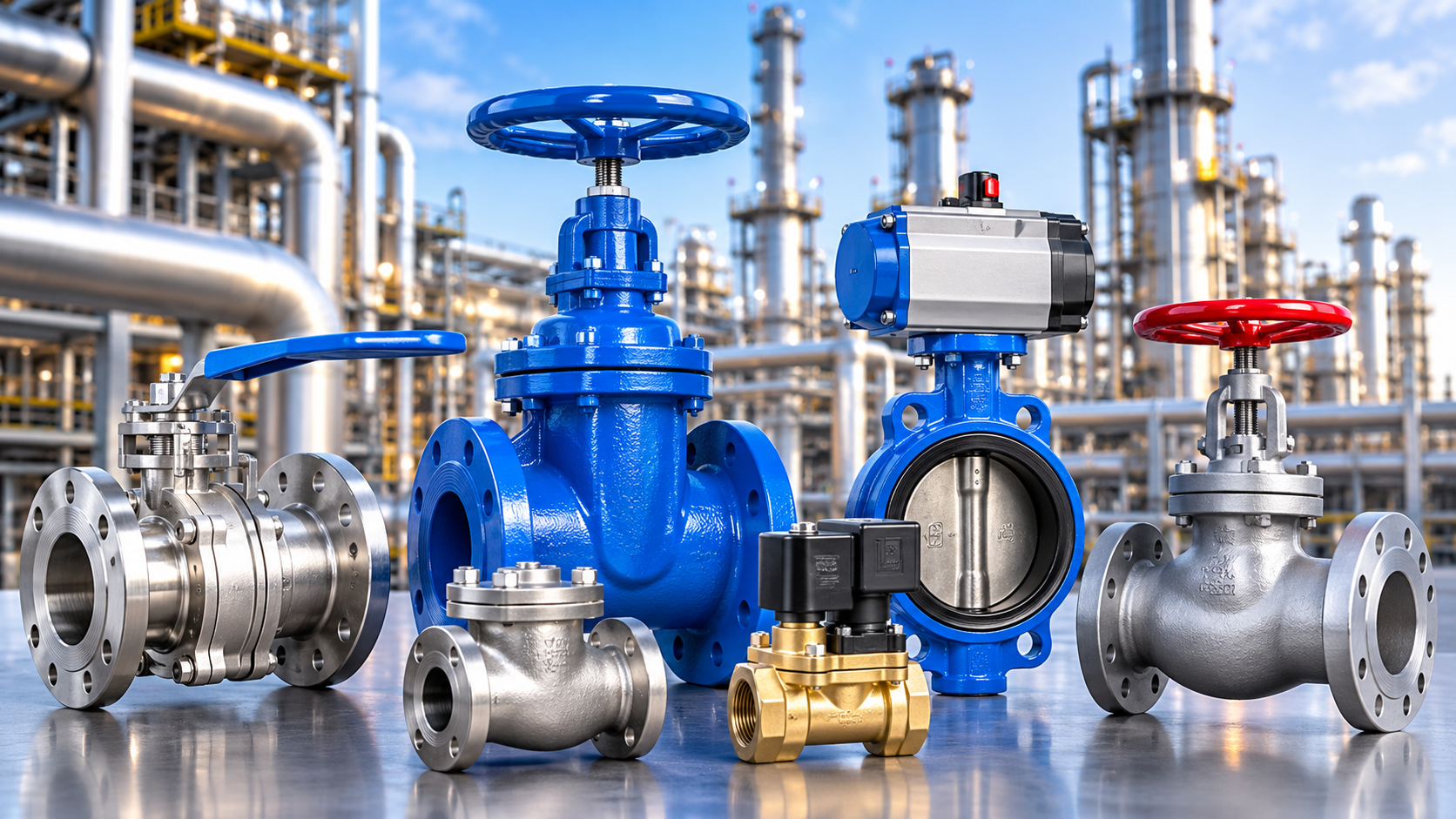
Industrial valves are essential components used in manufacturing plants, processing facilities, water treatment systems, and various industrial applications. They control the flow of liquids, gases, steam, and other materials through pipelines and equipment.
From controlling water supply to regulating compressed air in automated machinery, industrial valves help maintain safe and efficient operations.
Today, many industries use automated valves integrated with PLCs, sensors, and actuators to improve process control and reduce manual intervention.
Understanding different types of industrial valves and their working principles helps businesses select the right components for their operating requirements.
1. What Are Industrial Valves?
An industrial valve is a mechanical device used to start, stop, regulate, or redirect the flow of fluids through a pipeline or process system.
Depending on the application, valves can be operated manually or automatically using electrical, pneumatic, or hydraulic actuators.
Main functions include:
- Controlling liquid and gas flow.
- Starting and stopping pipeline operations.
- Regulating pressure and flow rates.
- Preventing reverse flow.
- Supporting safe industrial operations.
2. Different Types of Industrial Valves
Industrial valves are available in different designs depending on their working principles and applications.
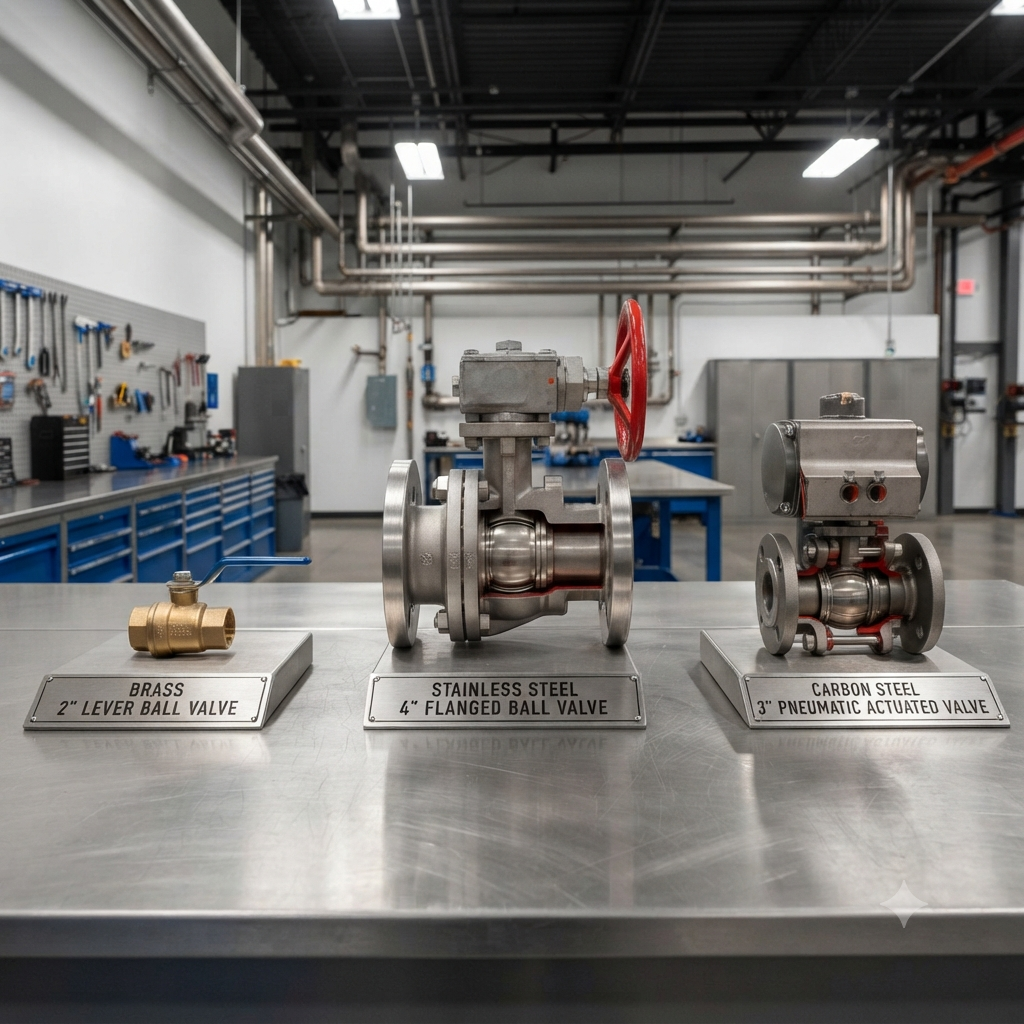
A. Ball Valves
Ball valves use a rotating spherical ball with a hole through its centre to control fluid flow. A quarter-turn operation opens or closes the valve.
Key Features:
- Quick operation.
- Reliable shut-off performance.
- Suitable for liquid and gas applications.
Applications: Oil and gas pipelines, water systems, and chemical industries.
B. Gate Valves
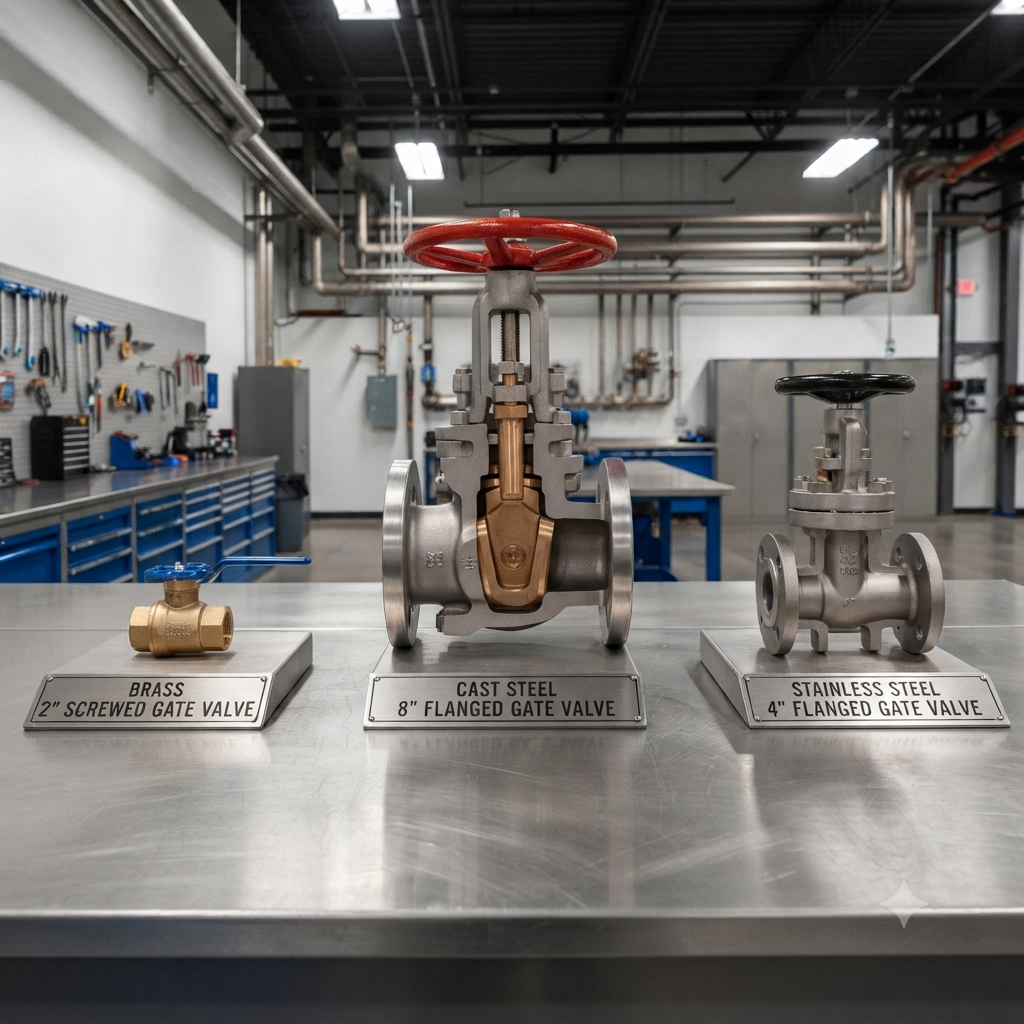
Gate valves control flow by raising or lowering an internal gate. They are mainly used for fully open or fully closed operations.
Key Features:
- Low flow resistance when fully open.
- Suitable for larger pipelines.
- Available in different pressure ratings.
Applications: Water treatment plants, power stations, and industrial pipelines.
C. Butterfly Valves
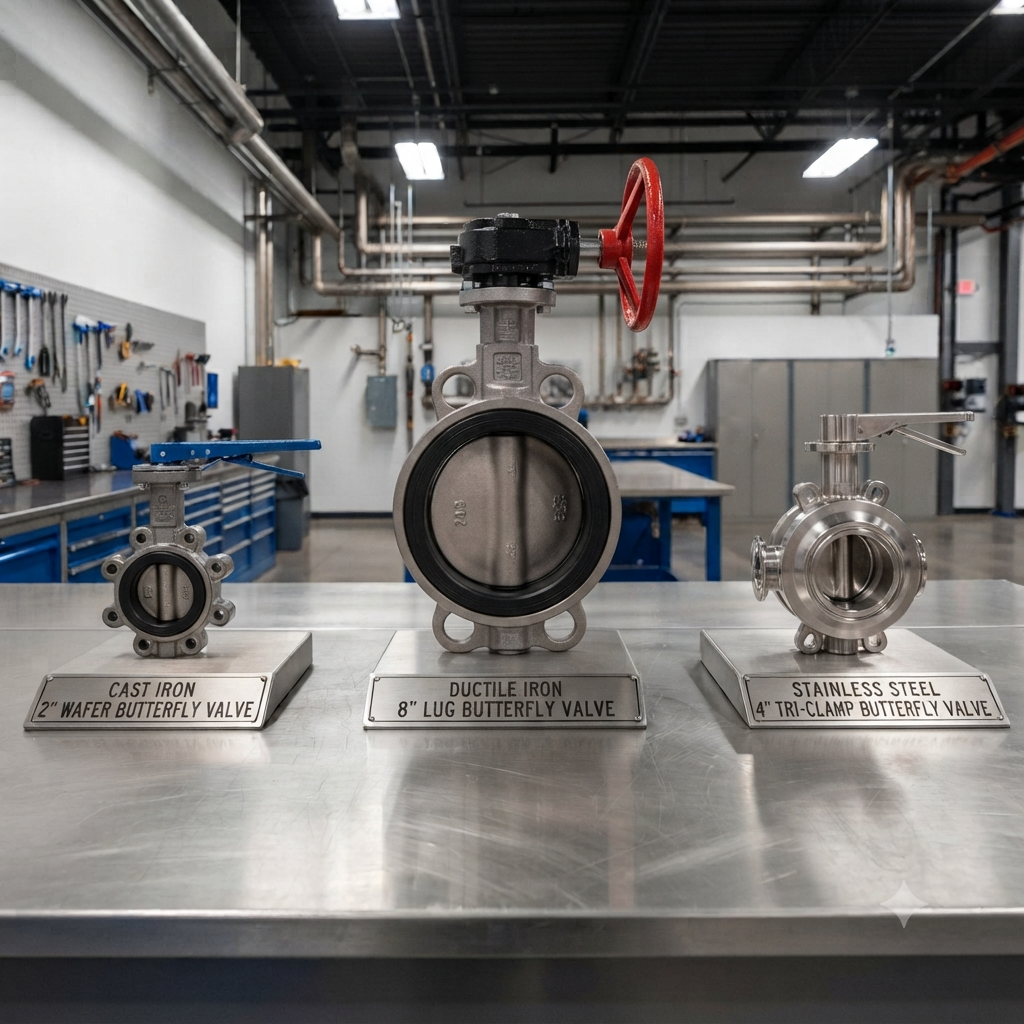
Butterfly valves use a rotating disc to regulate or stop fluid flow. Their compact and lightweight construction makes them suitable for large pipeline installations.
Key Features:
- Compact design.
- Quick operation.
- Easy installation.
Applications: HVAC systems, water treatment, and chemical processing.
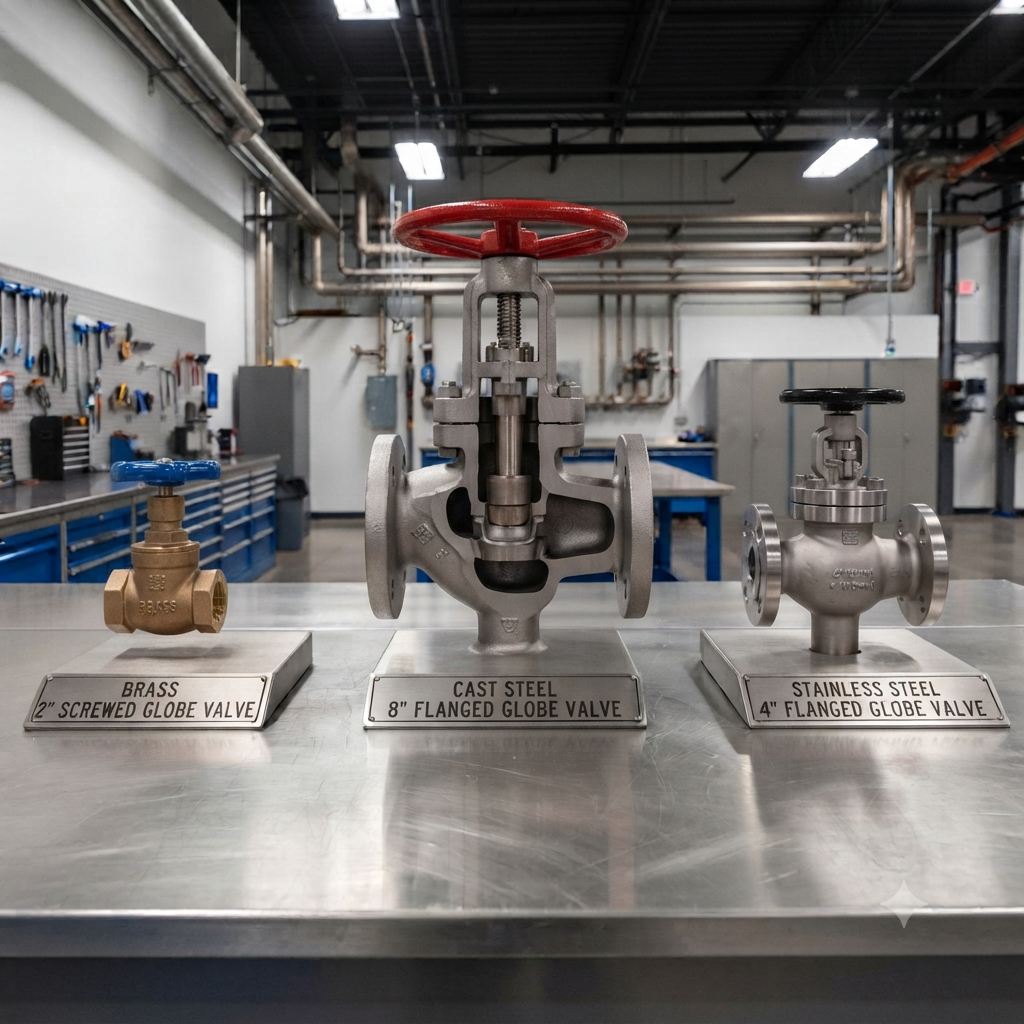
D. Globe Valves
Globe valves are designed primarily for regulating fluid flow. An internal disc moves against a valve seat to adjust the flow passage.
Key Features:
- Good flow regulation.
- Suitable for throttling applications.
- Available in different materials and pressure ratings.
Applications: Steam systems, cooling systems, and power plants.
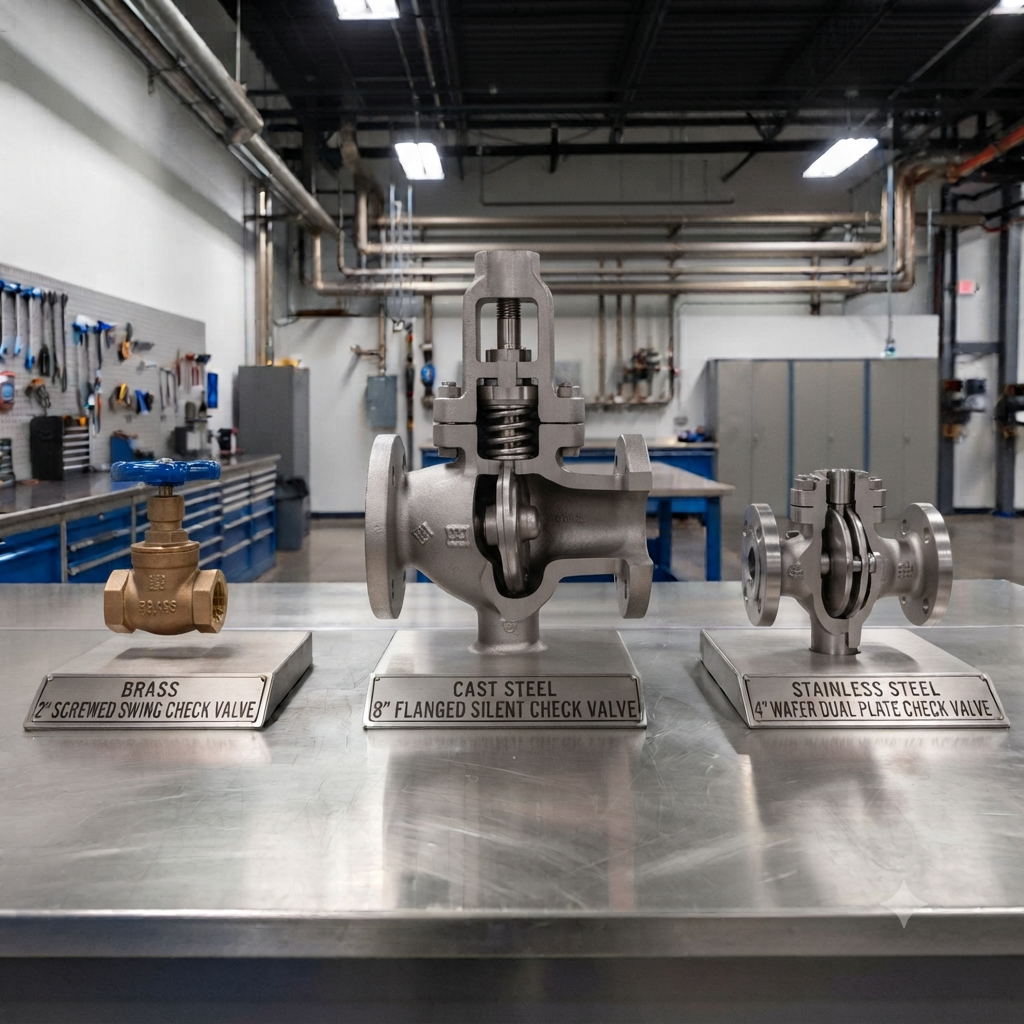
E. Check Valves
Check valves allow fluid to flow in one direction and automatically prevent reverse flow. They generally operate without manual or external control.
Key Features:
- Automatic operation.
- Prevents reverse flow.
- Protects pumps and connected equipment.
Applications: Pumping systems, water pipelines, and compressor systems.
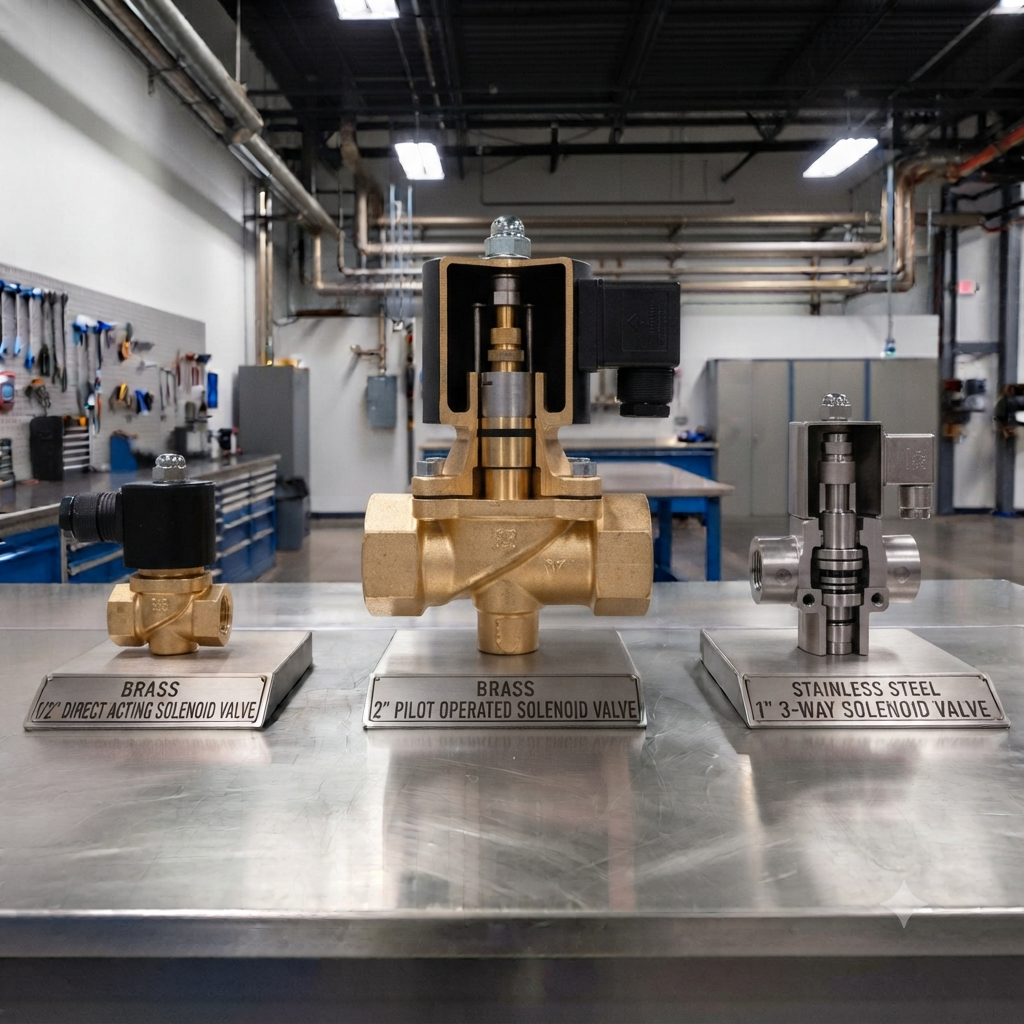
F. Solenoid Valves
Solenoid valves use an electromagnetic coil to control the opening and closing of a valve. They are widely used in automated systems where electrical signals control fluid or compressed air flow.
Key Features:
- Electrical operation.
- Fast switching response.
- Easy integration with automation systems.
Applications: Pneumatic machinery, packaging machines, and industrial automation.
3. How Do Industrial Valves Work?
The working principle depends on the valve design, but the basic purpose is to control the movement of fluid through a system.
The process generally involves:
- Input: A manual command or electrical, pneumatic, or hydraulic signal is received.
- Actuation: The valve handle or actuator moves.
- Flow Control: The valve opens, closes, or adjusts the flow passage.
- Output: The required fluid flow is maintained according to the application.
In automated systems, PLCs and sensors can control valve operation according to programmed requirements.
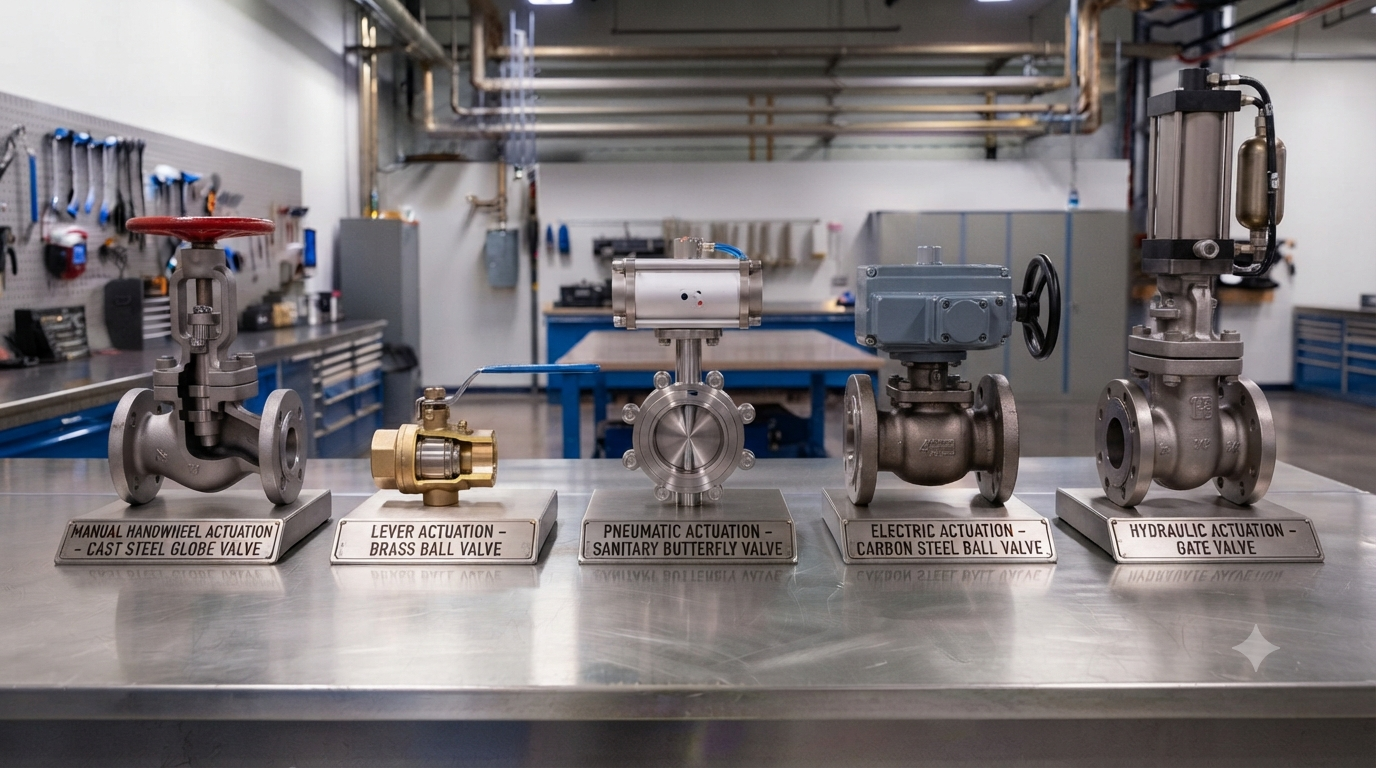
4. Types of Valve Actuation
Valves can be operated using different actuation methods depending on the application.
Type
- Manual
- Electric
- Pneumatic
- Hydraulic
Working principle
- Operated using a handwheel etc.
- Uses an electric motor or actuator
- Operates using compressed air
- Uses pressurised hydraulic fluid
5. Applications of Industrial Valves
Industrial valves are used across different industries to control process operations.
Industry
- Water treatment
- Pharmaceutical
- Chemical
- Food & Beverages
- Power plant
- Oil & Gas
- Manufacturing
- HVAC
Applications
- Water flow and distribution
- Process fluid control
- Chemical transfer and regulation
- Liquid processing
- Steam and cooling systems
- Pipeline flow control
- Machine and pneumatic systems
- Heating and cooling systems
6. Important Factors When Selecting an Industrial Valve
Choosing the right industrial valve is important for reliable operation and reducing maintenance requirements.
Consider these factors before purchasing:
- Media Type: Identify whether the valve handles water, oil, air, gas, steam, or chemicals.
- Operating Pressure: Check the maximum working pressure of the system.
- Temperature: Ensure the valve material and seals are suitable for operating temperatures.
- Valve Size: Select the appropriate size according to pipeline dimensions and flow requirements.
- Material: Consider stainless steel, cast iron, brass, or other suitable materials.
- Operation: Determine whether manual, electric, pneumatic, or hydraulic operation is required.
- Maintenance: Consider spare-part availability and ease of servicing.
Selecting a valve according to actual operating conditions helps avoid compatibility issues and unnecessary maintenance costs.
7. Importance of Industrial Valves in Automation
Modern manufacturing facilities increasingly depend on automated process control. Industrial valves work alongside PLCs, sensors, pressure switches, and actuators to manage different operations.
For example, in an automated water treatment system:
- Sensors monitor water level and pressure.
- A PLC processes the input signals.
- The control system sends commands to the valve actuator.
- The valve adjusts or stops the flow according to the programmed requirement.
This integration helps reduce manual intervention, improve process consistency, and support efficient plant operations.
8. Why Choose Techno Park Inc.?
At Techno Park Inc., we provide industrial automation products and engineering solutions for manufacturing industries, machine builders, and industrial maintenance requirements.
Our services include:
- Automation Panel Design & Development
- PLC & HMI Programming
- Machine Design & Development
- On-Site and Remote Support
- Obsolete Product Sourcing
- Custom PCB Design
We also support industrial buyers in identifying suitable electrical and automation components according to their machine requirements and technical specifications.
Explore our TPIPro+ Product Catalogue for industrial automation and electrical components.
Looking for Industrial Automation Solutions?
Whether you are upgrading an existing machine, developing a new automation system, or maintaining industrial equipment, selecting the right components is essential.
Connect with Techno Park Inc. for industrial automation products, engineering solutions, and component sourcing assistance.
Website: Techno-Park inc.
Product Catalogue: TPIPro+
Email: sales@technoparkinc.com
WhatsApp: +91 74179 79908
Need Custom Engineering for Your Facility?
Whether you are looking to retrofit legacy control cabinets, design high-precision heating systems, or source critical automation components, our engineering team is ready to help.